System Design - Scalable & Reliable Webhook System (EN)
Scalable & Reliable Webhook System Design
Tech Stack: FastAPI MySQL Redis Celery Docker
Beyond simply receiving POST requests, this system is designed to guarantee both real-time delivery and reliability simultaneously. The goal is an architecture capable of handling tens of thousands of event spikes per second while ensuring zero data loss even in the face of network failures.
Background
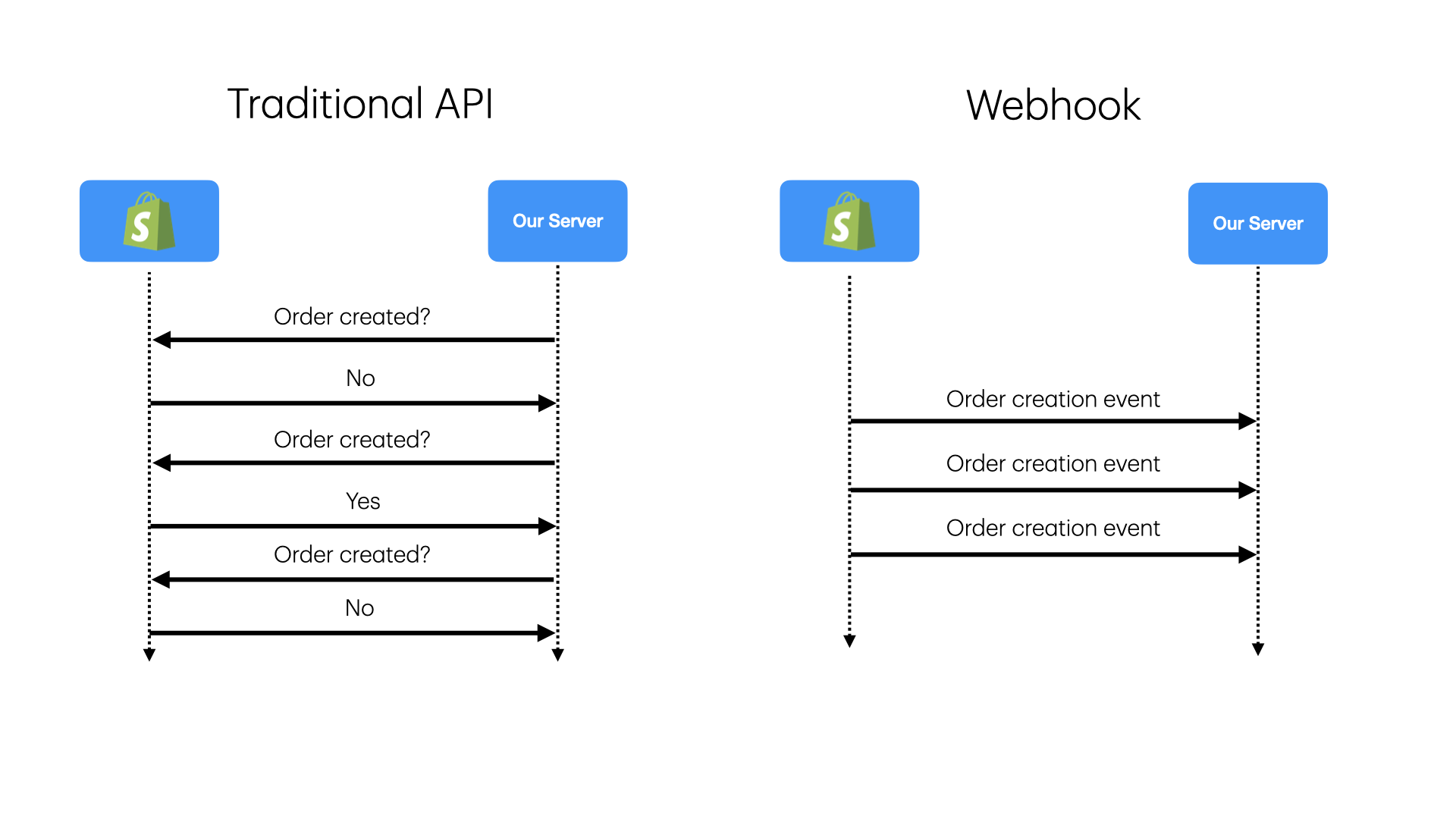
Webhooks allow systems to send real-time notifications triggered by specific events. Unlike traditional APIs that rely on polling, webhooks push data immediately when an event occurs, maximizing both efficiency and real-time responsiveness.
| Approach | How It Works | Characteristics |
|---|---|---|
| Polling | Repeatedly asking “Is the food ready?” | Inefficient, wastes network resources |
| Webhook | Ringing the bell — “Your food is ready!” | Event-driven, real-time, up to 90% resource savings |
Real-world examples:
- Stripe: Payment completed, refund issued
- Shopify: Order created, shipment update
- GitHub: PR merged, issue opened
1. Functional Requirements
Extract the verbs from the problem description to define core features.
| Action | Feature | API |
|---|---|---|
| Ingest | Receive event notifications (JSON) from external services | POST /webhook |
| Verify | Authenticate requests via HMAC signature | Middleware |
| Process | Execute business logic (payment approval, authorization, etc.) | Async worker |
| Monitor | Query processed event status and logs | GET /api/events |
Out of Scope
- Webhook subscription registration/management (Provider side)
- Per-event-type business logic details
- UI dashboard
2. Non-Functional Requirements
Extract the adjectives from the problem description to define quality constraints.
| Constraint | Description |
|---|---|
| Low Latency | Return 200 OK within 200ms of receiving a request |
| Idempotency | Prevent duplicate processing even if the same event is sent multiple times |
| At-least-once delivery | Guarantee at least one processing attempt with no data loss |
| High Availability | Service continues even when system components fail |
| Load Buffering | Message queue absorbs traffic spikes (back-pressure) |
Scale Estimation
- Daily event volume: 1 million (5x spike during peak hours)
- Latency target: End-to-end under 200ms
- Data retention: 30 days for audit purposes
- Event size: ~5KB → ~150GB total storage for 30 days
3. Data Model
Extract the nouns from the problem description to define entities. State management based on event_id is essential to prevent duplicate processing.
| Table | Role | Key Attributes |
|---|---|---|
| ProcessedEvents | Idempotency check and result storage | event_id(PK), payload, status(SUCCESS/FAIL), created_at |
| RetryLogs | Retry history for failed events | id(PK), event_id(FK), retry_count, last_error, next_retry_at |
A Unique Index on event_id prevents duplicate inserts at the DB level.
4. Core Architecture: Decoupling Ingestion from Processing
The heart of webhook design is: “Accept fast, process later.”
Limitations of the Basic Design
The naive design has the Request Handler performing both HTTP reception and business logic simultaneously.
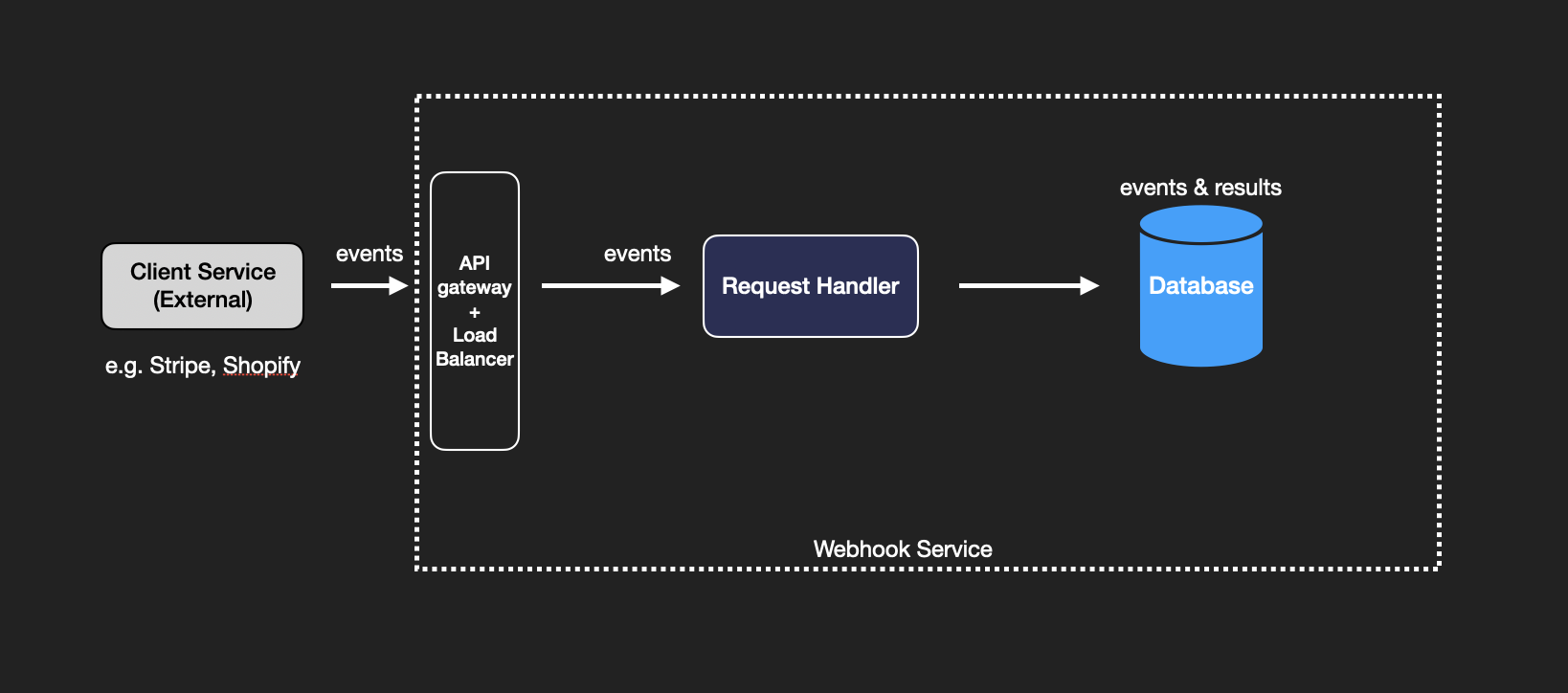
Problem: If the handler fails after processing but before persisting, the event is lost. During traffic spikes, DB connection pools can be exhausted, taking down the server.
Improved Design with Message Queue
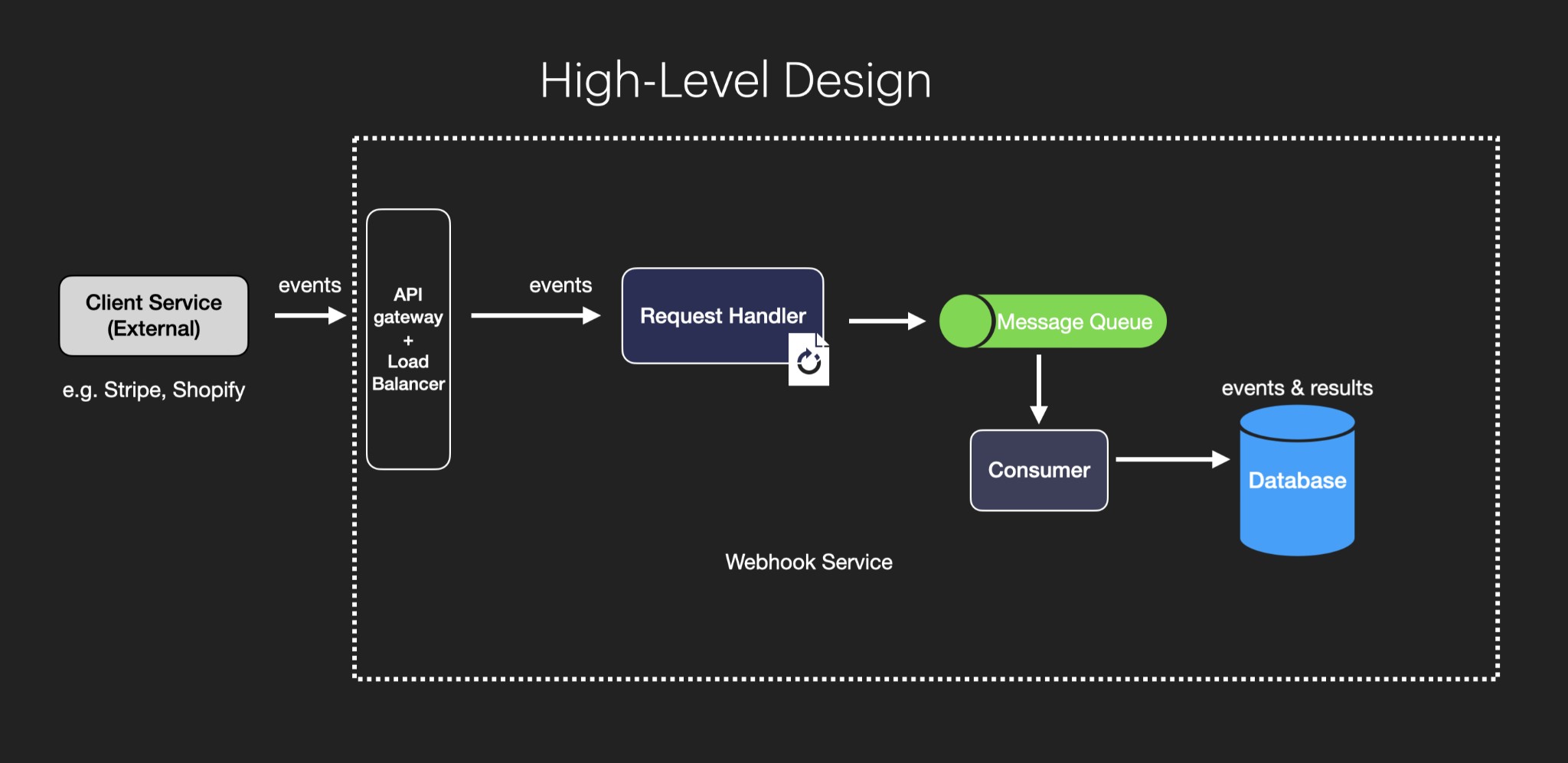
Ingestion Path:
- Client (Provider) sends
POST /webhook - FastAPI validates HMAC signature, then immediately enqueues to Redis (Message Queue)
- Returns 200 OK to the client instantly (minimizes latency)
Processing Path:
- Celery Worker dequeues events one by one
- MySQL Check: verify
event_idhasn’t been processed (idempotency guard) - Business Logic: execute task and persist result to DB
- Retry Logic: on failure, schedule retry with Exponential Backoff
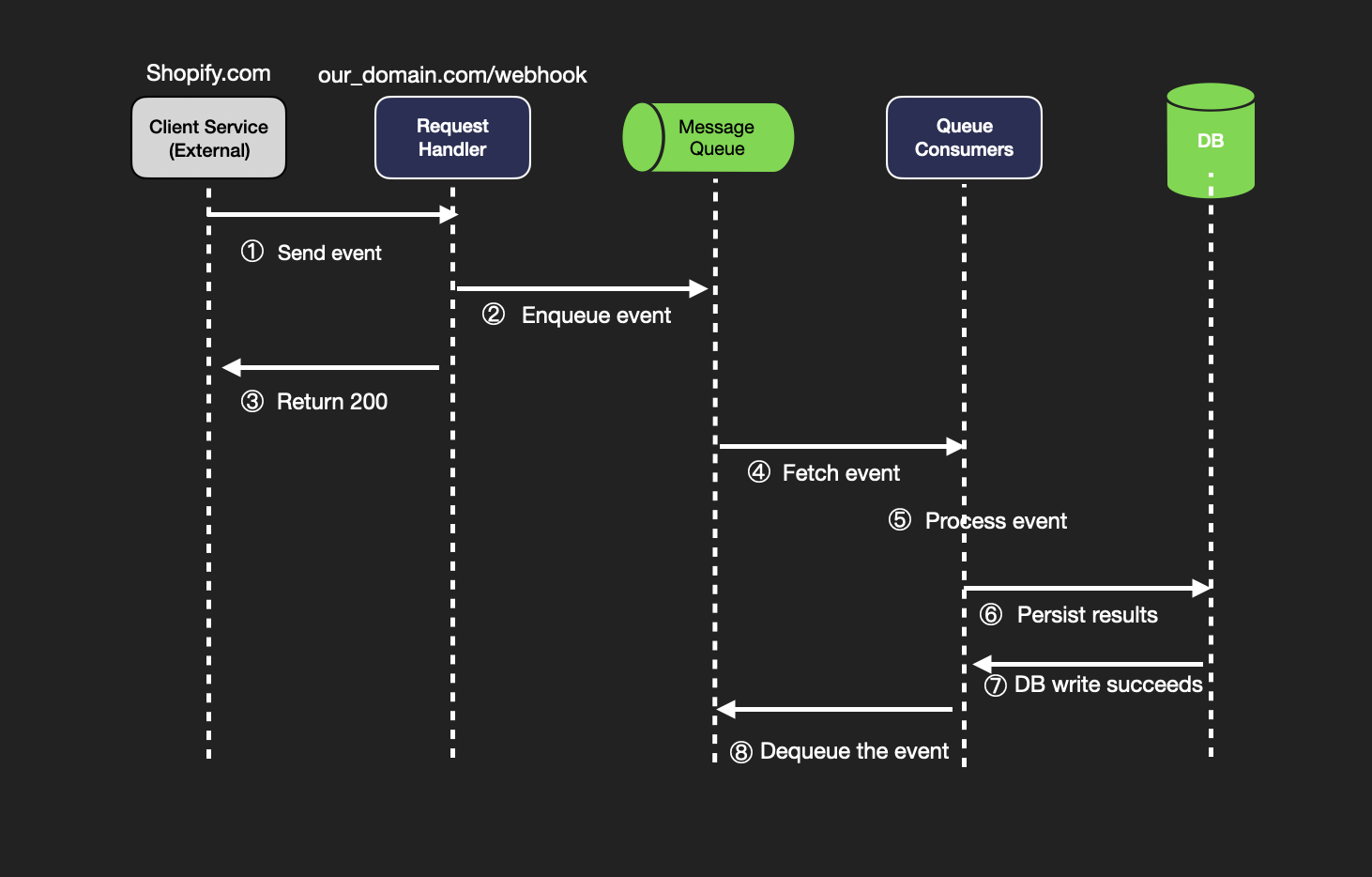
This design simultaneously provides Failure Recovery, Load Buffering, and Horizontal Scalability.
5. Scaling & Reliability Strategy
Per-Component Failure Handling
1. Request Handler Failures
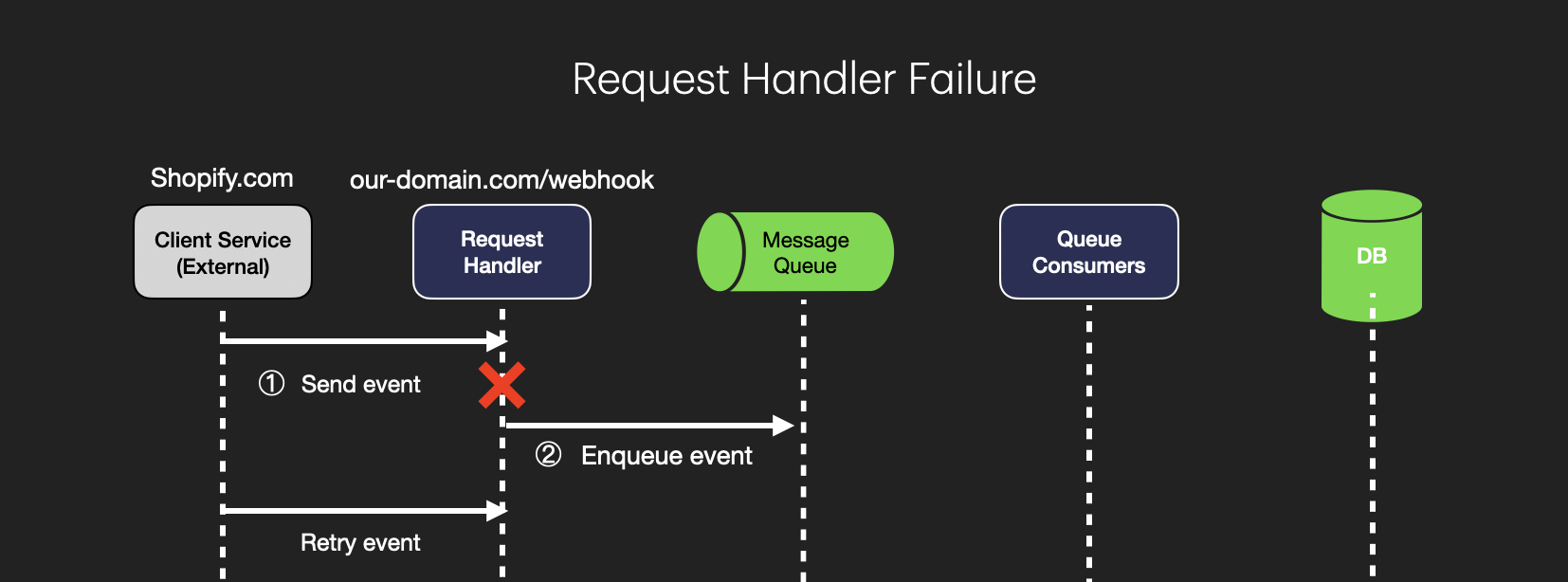
| Scenario | Strategy |
|---|---|
| Fails before enqueue | Client doesn’t receive 200 OK → retries automatically |
| Timeout | Circuit Breaker cuts cascading failures, immediately signals failure to client |
2. Message Queue Failures
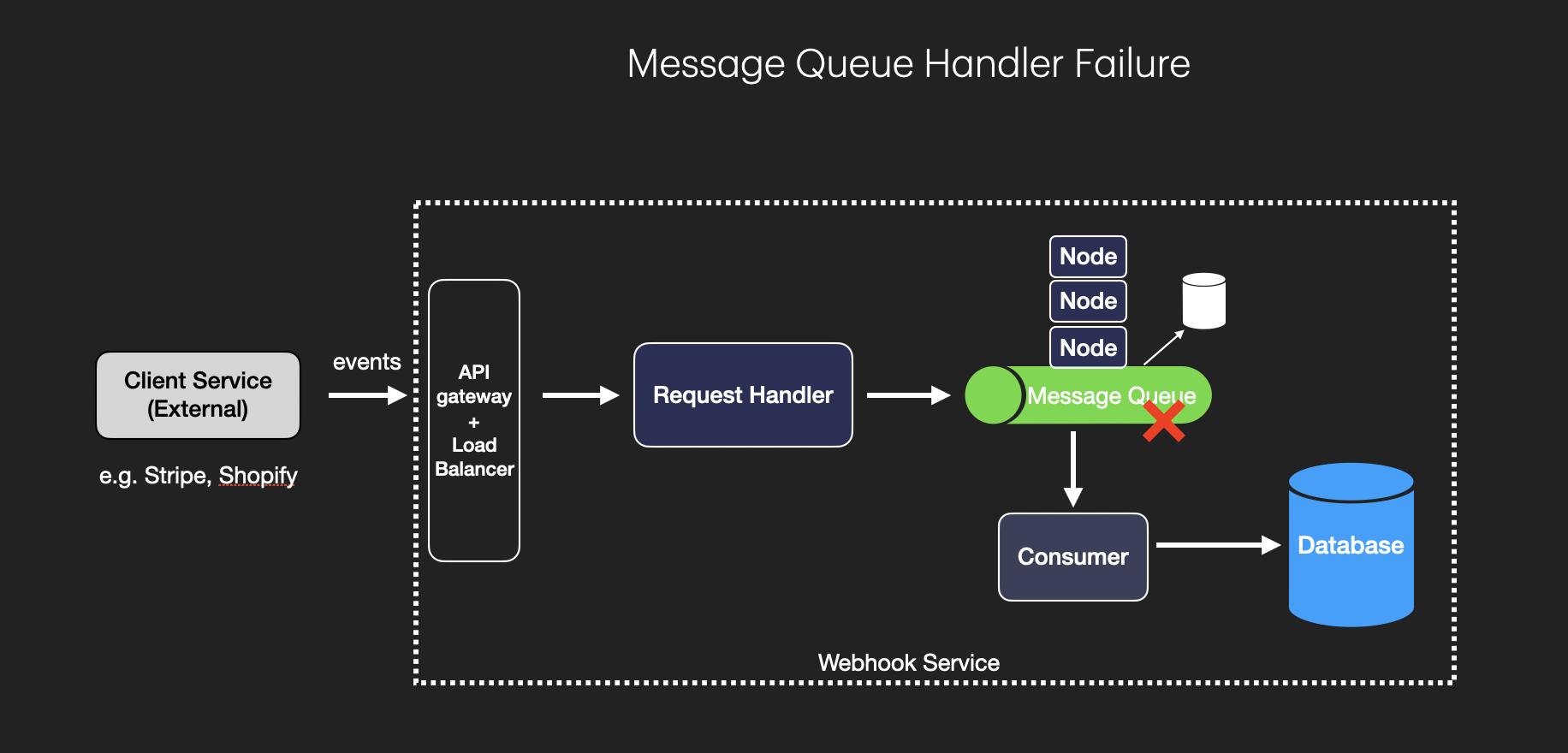
| Strategy | Description |
|---|---|
| Durable Queue | Persist messages to disk — survive server restarts |
| Multi-Node Replication | Replicate across Kafka/RabbitMQ cluster, tolerating single-node failure |
3. Queue Consumer Failures
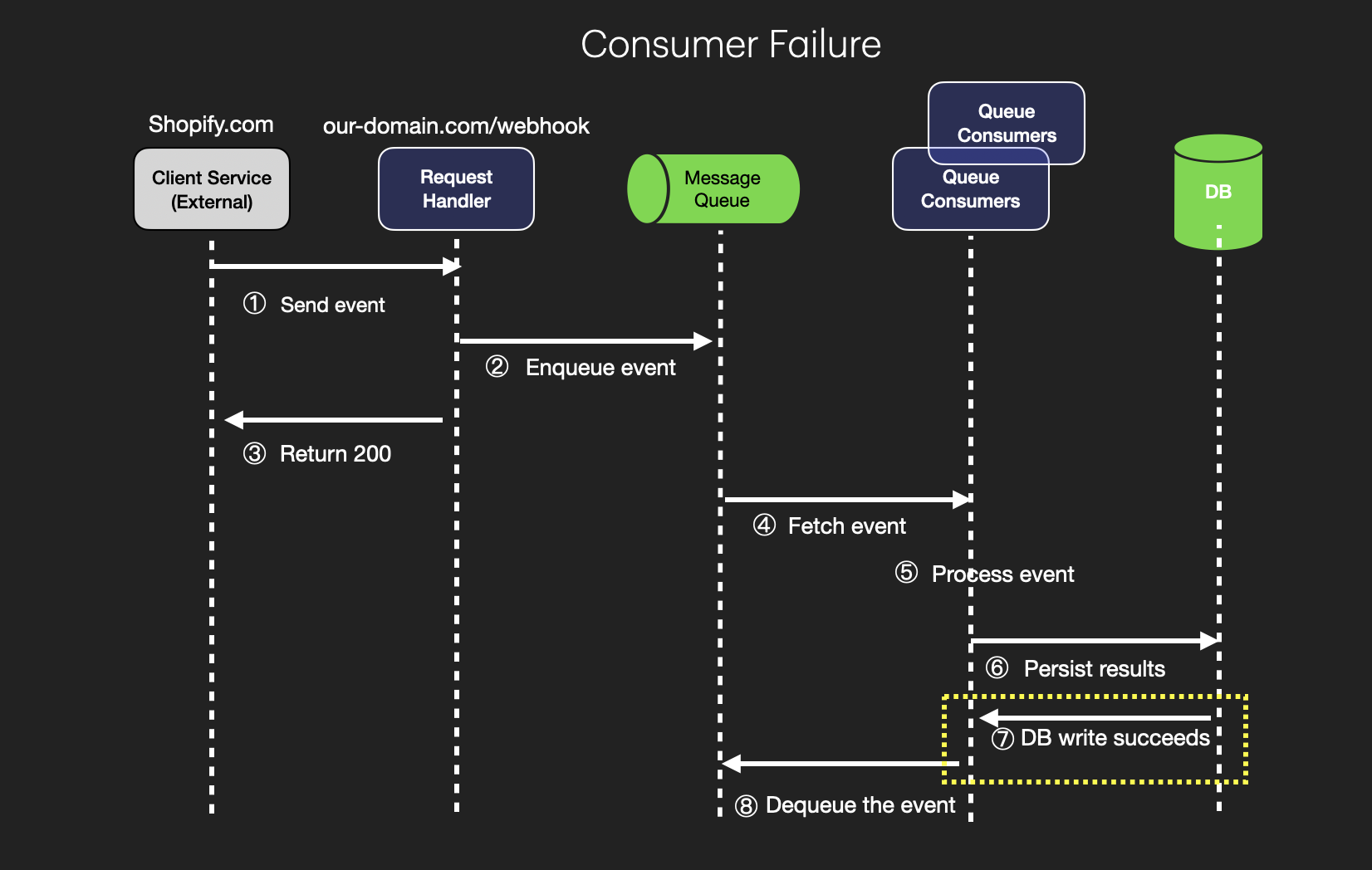
| Strategy | Description |
|---|---|
| Multiple Instances | If one consumer fails, another picks up the workload |
| Message Acknowledgment | Only dequeue after DB write succeeds — failed events stay in queue |
| Auto-Restart (Kubernetes) | Automatically restarts failed consumers, scales based on queue depth |
4. Database Failures
| Strategy | Description |
|---|---|
| Exponential Backoff | Retry writes at $2^n$ second intervals (prevents DB overload) |
| Replication & Failover | Automatic failover from primary to secondary on failure |
Exponential Backoff
Retrying immediately on external server failure only adds more load. Increasing retry intervals by $2^n$ seconds gives the system time to recover.
\[\text{Retry Interval} = 2^n \text{ seconds}, \quad n = 1, 2, 3, ...\]6. Deep Dive: Engineering Insights
Security: HMAC Signature Verification
Since webhooks originate externally, source authentication is non-negotiable.
HMAC Signature Flow:
- The Provider (e.g., Stripe) and the service share a Secret Key in advance
- Provider generates an HMAC hash of the payload and includes it in request headers
- Service recalculates the hash using the same secret and validates the match
import hmac
import hashlib

def verify_signature(payload: bytes, signature: str, secret: str) -> bool:
    expected = hmac.new(
        secret.encode(), payload, hashlib.sha256
    ).hexdigest()
    return hmac.compare_digest(expected, signature)
Additional security layers:
| Technique | Description | Effect |
|---|---|---|
| IP Whitelisting | Accept requests only from known Provider IPs | Blocks unauthorized IPs |
| Rate Limiting | Cap maximum requests per minute | Defends against DoS attacks |
| HTTPS Only | Transport layer encryption | Prevents packet interception |
Handling Duplicate Requests (Idempotency)
Network retries can deliver the same event multiple times.
Idempotency Key Pattern:
-- Unique Index on event_id blocks duplicate inserts at the DB level
INSERT INTO ProcessedEvents (event_id, payload, status)
VALUES (:event_id, :payload, 'PROCESSING')
ON DUPLICATE KEY IGNORE;
Before processing, check if the event_id already exists. If it does, skip immediately to prevent duplicate execution of business logic.
Handling Out-of-Order Events
Network delays can cause invoice.paid to arrive before invoice.created.
Core Principle: Webhook processing logic must never assume event ordering.
On receiving invoice.paid:
  1. Fetch latest invoice data directly from Stripe API (Source of Truth)
  2. Update local DB → set status to PAID

On receiving invoice.created (arriving late):
  1. Compare event's created_time with DB's updated_time
  2. If DB is already up-to-date → skip (prevents stale overwrite)
Design Principles Summary:
| Principle | Implementation |
|---|---|
| Stateless processing | Use Source of Truth (Provider API), not local DB state |
| Idempotent design | Processing the same event N times must yield the same result |
| Timestamp-based skip | Detect and skip outdated events using event_id + timestamp |
7. Summary & Retrospective
Level Expectations
| Dimension | Junior | Senior | Staff |
|---|---|---|---|
| Reliability | Simple API reception | Retry and idempotency design | DLQ and failure propagation isolation |
| Performance | Synchronous processing | Async design with message queue | Kafka partitioning strategy |
| Security | No authentication | HMAC signature + IP whitelist | mTLS and payload encryption |
| Order handling | Assumes ordered events | Timestamp-based skip | Event sourcing and CQRS patterns |
Key Takeaways
System design isn’t just about “code that works” — it’s about “designing for every possible failure.”
The essence of a webhook system comes down to three principles:
- Accept fast, process later — Decouple to minimize response latency
- Assume failure — Every component can fail. Compensate with retries and idempotency
- Never trust ordering — Networks don’t guarantee order. Always verify against the Source of Truth
Leave a comment